WAWA Design
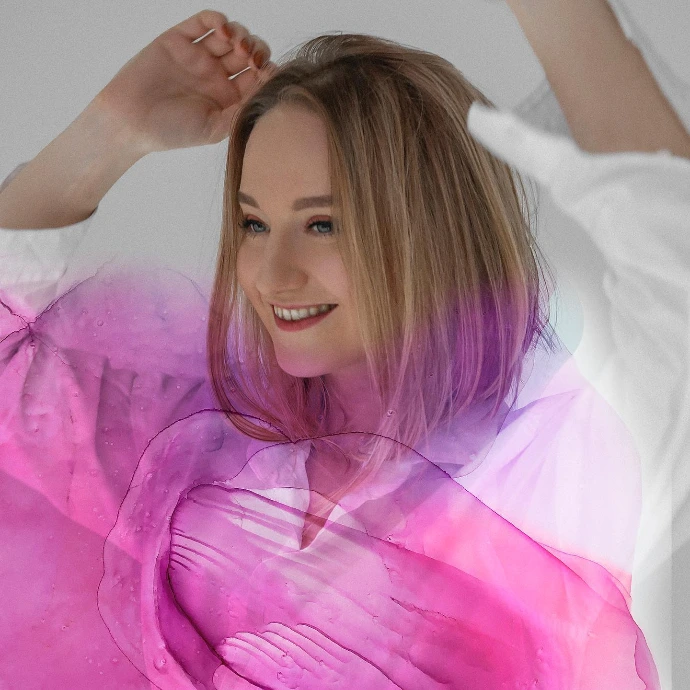
WAWA Design is a multidisciplinary design studio and independent creative practice founded by Valentina Sergeeva in Barcelona.
Illusions are my passion.
WAWA Design History & Studio
From Idea to Execution
WaWa Design studio brings together creative direction, design, and in-house production. Working as both creator and maker, Valentina guides projects through every stage of development, from concept and visual identity to prototyping, fabrication, and final production.
WAWA Design creates visual identities, brand guidelines, collectible merchandise, souvenirs, seasonal collections, art objects, and limited-edition products for brands, musicians, cultural initiatives, and private clients.
Multidisciplinary Art
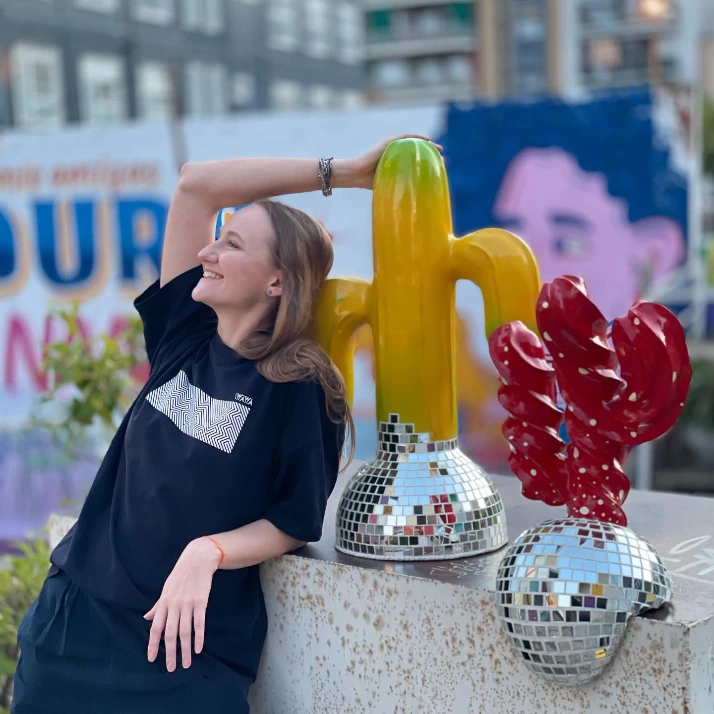
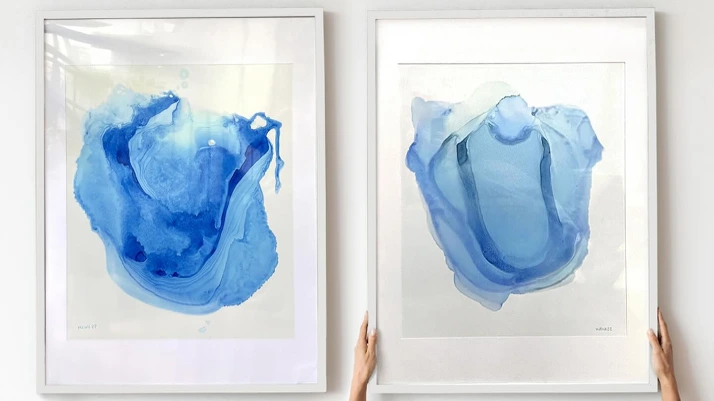
The studio’s practice combines graphic design, watercolor illustration, original print design, 3D modeling, digital fabrication, and a range of handcrafted artistic techniques. This multidisciplinary approach allows projects to move seamlessly between digital and physical formats, from a graphic concept to a fully realized object produced within the studio.
Projects by WAWA Design include merchandise collections for musicians, seasonal and holiday product lines, artist-designed souvenirs, 3D-printed objects, fine art prints, and custom pieces developed for specific events, brands, and collaborations.
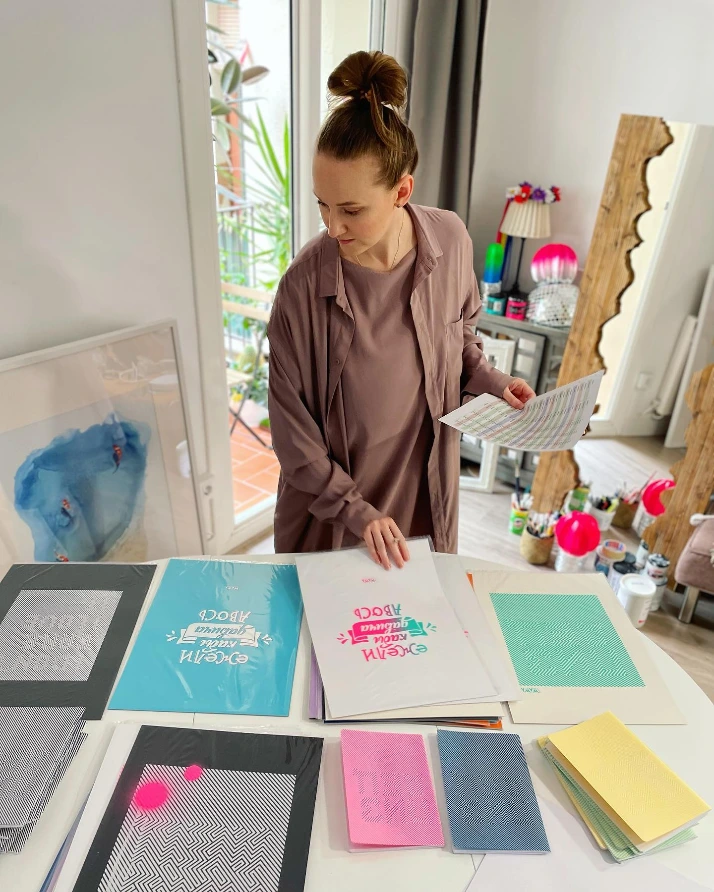
Distinctive Visual Language
WAWA Design is best known for its distinctive visual language: words and phrases hidden within optical illusions that shift with movement and shimmer like holograms. This signature approach has become a defining element of WAWA Design and forms the foundation of many of the studio’s artistic and commercial projects.
Handmade
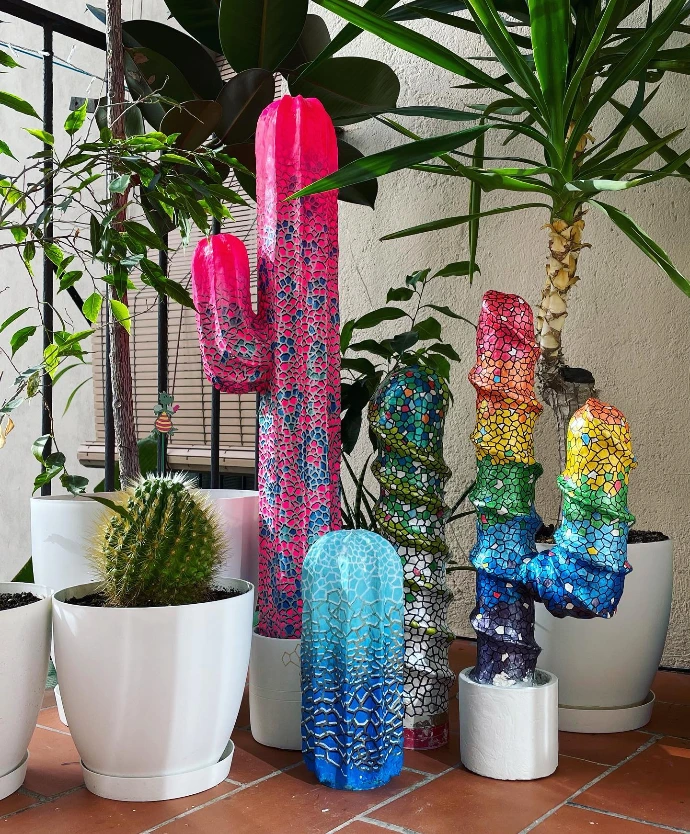
Every op art print is designed in the studio. Every WAWA Cactus is sculpted from scratch by hand. Every Christmas flag set is hand-drawn before any reproduction.
Small Batch
WAWA Cacti, Christmas flag sets, and Sant Jordi bookmarks are released in limited seasonal runs. Collaborative merch drops are produced once and not repeated.
Sustainable Materials
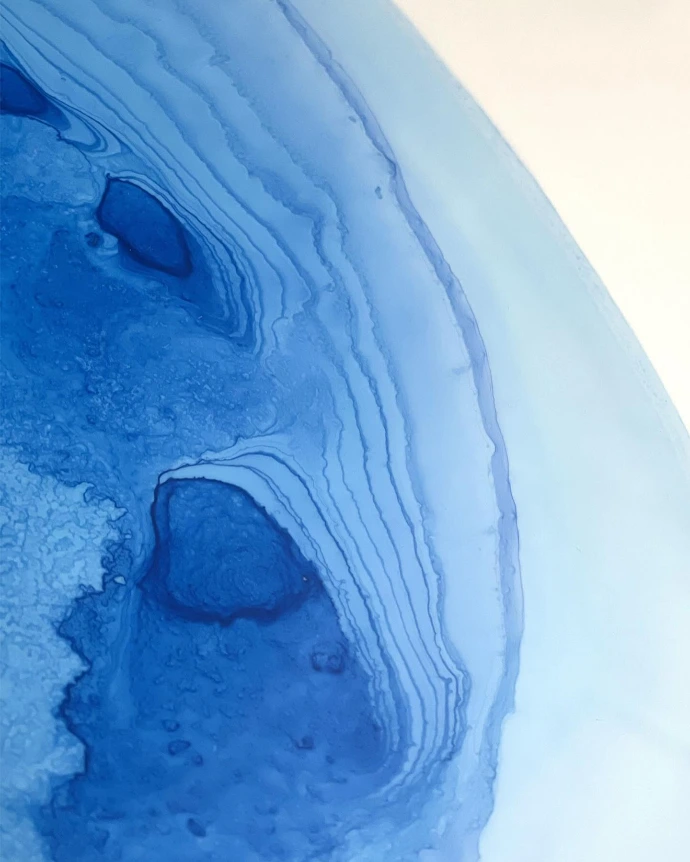
3D-printed objects use PLA, a corn-based bioplastic. The analog disciplines (watercolour, alcohol ink, silkscreen) are practised in the studio alongside the digital tools, not replaced by them.